










What to know before machine polishing (for beginners)
2 min read
Machine polishing is one of the most demanding stages in detailing.
At first glance, it looks simple — machine, compound, and go. In reality, it’s a process that requires understanding, patience, and experience. Before you start, there are a few things you need to know.
Preparation is the foundation:
Proper polishing starts before you even touch the machine. If you want to achieve good results, the paint must be perfectly clean. Correct preparation removes:
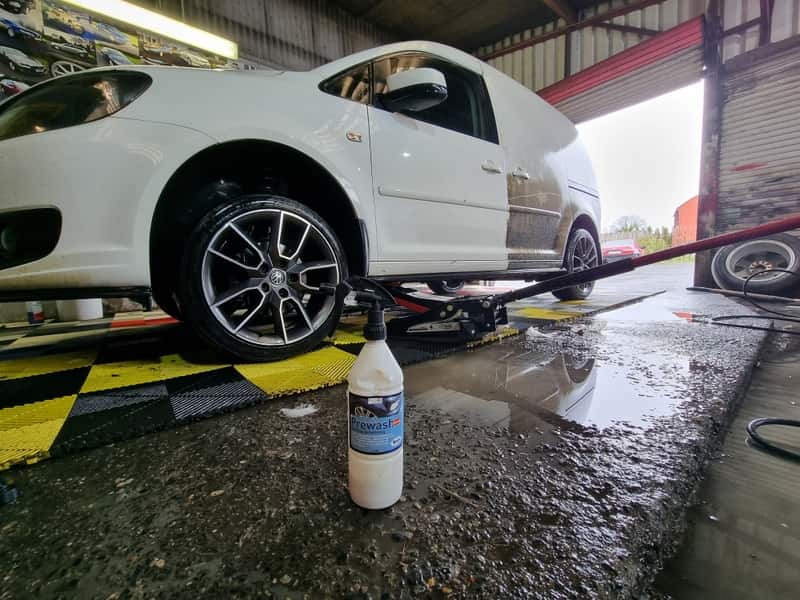
Road dirt, tar, iron based contamination, other stubborn contaminants. Without this, you’re working on a contaminated surface. And that means one thing — instead of improving the paint, you can scratch it even more or end up with very poor results. 👉 Full guide here : Link
Is machine polishing hard to learn? #
Yes — especially when it comes to real paint correction. However, if your goal is just to improve the overall appearance, it’s relatively simple. If you expect to get professional-level results on your first attempt — you will be disappointed. Effective and efficient polishing is a skill that takes years to develop. Every car is different:
- different paint systems
- different types of damage
- different reactions to pads and compounds
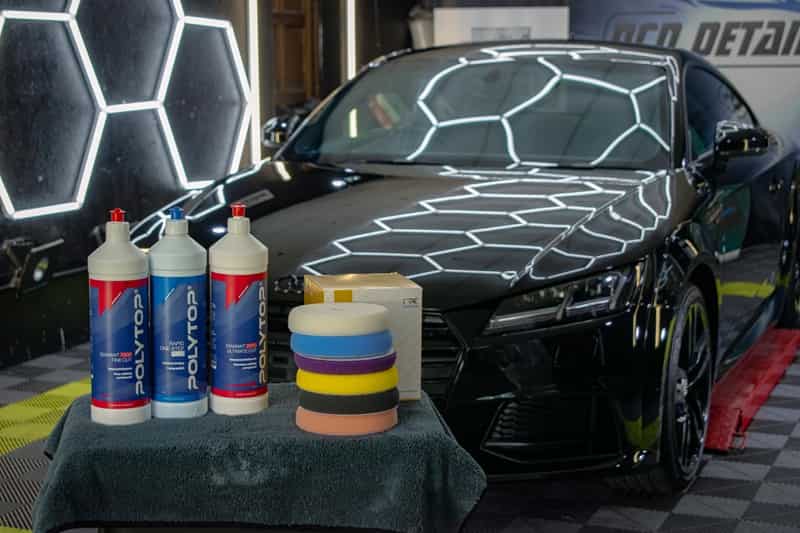
That’s why practice is everything. There is no “best compound” , “best pad” or “best machine”. This is one of the biggest beginner mistakes. There is no single product that works perfectly on every car. No matter how well-known the brand is: every car requires an individual approach, you need to choose the right combination, technique is what really matters. More expensive products and tools do not automatically mean better results. When it comes to machines, what matters most is: the specifications, choosing the right tool for the job. Not the logo.
What is polishing actually about? #
There are a lot of strange theories about this. Polishing is not: filling scratches,”softening” the paint,
machine polishing is not about adding gloss to the paint.
Polishing is: removing a minimal layer of damaged clear coat down to the level of the defect

When done correctly, it restores the appearance of the paint. Compounds do not hide scratches, Polishing compounds are abrasive. That’s how they remove damaged paint.
They are not designed to: hide defects or fill scratches. The final result depends on technique and choosing the right combination. You can simplify it like this:
👉 technique is about 75% of the result
👉 the remaining 25% is pad, compound, and machine choice
Tools matter — but they are not the most important factor. Compounds are used to remove a damaged layer of paint.
Machine polishing, simply speaking, is using the abrasives in compounds and pads combined with the movement of the machine. That combination creates friction, and that’s what allows you to remove a small amount of paint and level the surface. Once you choose a proper combination for the job — based on paint hardness and the level of defects — you can work very effectively and efficiently.
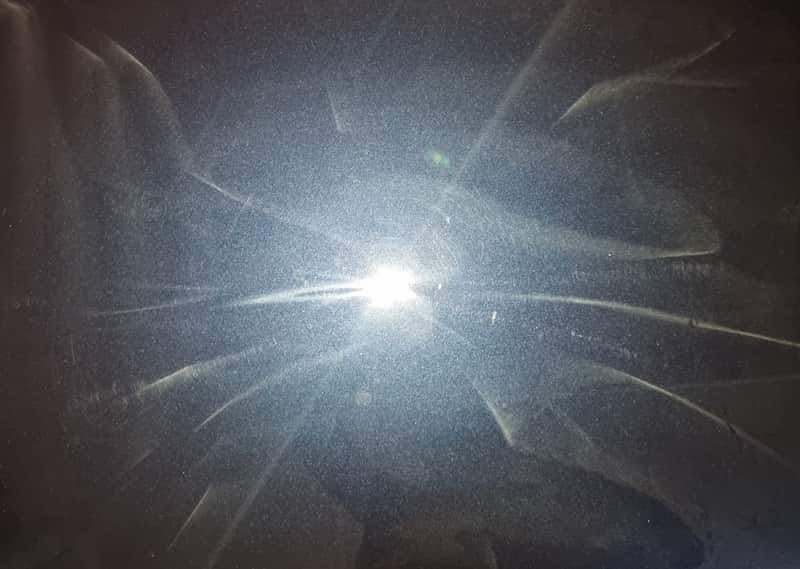
Why you should always use panel wipe and inspection torch after polishing #
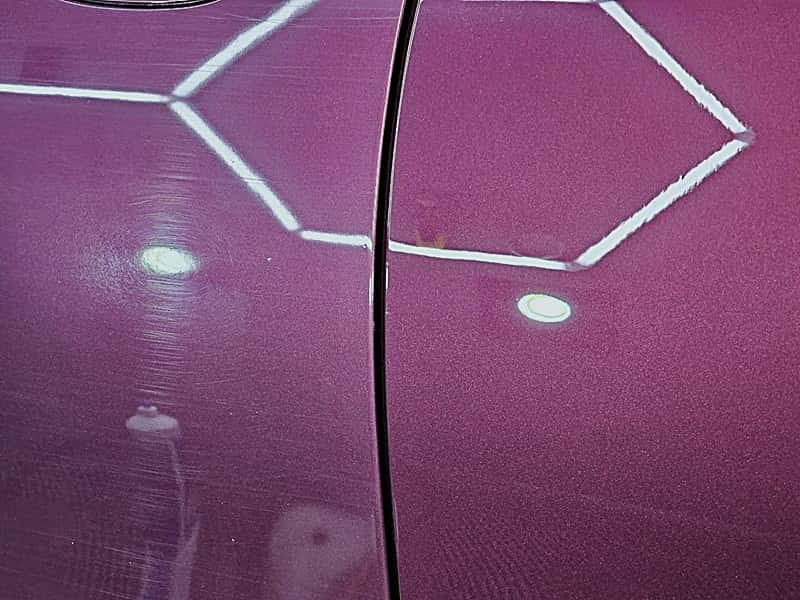
To remove polishing residues, Only then can you see the real result. Panel wipe and proper light is everything. Without them, you cannot correctly assess your results.
If you work in random lighting: 👉 your results will also be random. This is the only way to properly see:
light scratches,holograms, other imperfections.
Why machine polishing is not a quick process #
It’s a process that requires proper preparation, understanding, correct technique and experience. If you get these basics right, you can achieve great results even with simple equipment. If you don’t, even the best tools won’t help you.
Have a question or something to add? Drop a comment below — whether it’s a question, your own experience, or something you’d do differently. We read everything.


Leave a Reply
You must be logged in to post a comment.

Leave a Reply #