











Ceramic coatings – what they are, how they work and the biggest myths
7 min read
- What is a ceramic coating?
- Ceramic coatings on the market
- Myths and stories about ceramic coatings
- What does SiO₂ actually mean?
- Does a ceramic coating increase paint thickness? (creats a second layer of clear coat)
- Ceramic coating “makes the paint harder” — 9H, 10H, even 11H according to some.
- Ceramic Coating durability
- What actually determines coating durability?
- Does a coating protect against scratches, swirls or chips?
- So what does ceramic coating actually do — and is it worth it?
- So what does coating durability actually mean?
- Summary
What is a ceramic coating? #
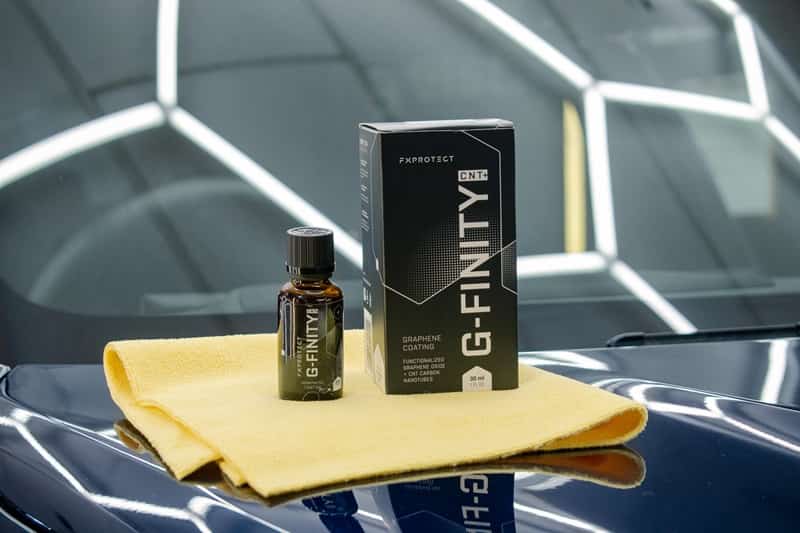
A ceramic coating is simply a liquid product that bonds with the paint and creates a very thin layer on its surface. Most of them are based on SiO₂ or similar compounds which, once cured, form a hardened, hydrophobic, UV-resistant layer. At the end of the day, it’s just a thin layer that changes the way your paint reacts to dirt, water and chemicals.
Ceramic coatings on the market #
Ceramic coatings available for detailing studios and enthusiasts have been around for about 20 years. Despite that, the hype around them hasn’t really gone anywhere. Overall, it’s still one of the best solutions for people who want to look after their car but don’t want to invest in PPF — which is the best protection you can get for a car.
Myths and stories about ceramic coatings #
“Coating makes the paint harder, adds thickness, prevents scratches & stone chips, makes the car shiny, keeps it clean…” You’ve heard all of that. So where did it come from?
Mostly from marketing. A lot of companies, trying to sell products at scale, pushed this kind of messaging. And over time, people simply started believing what they saw — especially online. It kept getting repeated over and over, and at some point people just started believing that a ceramic coating will protect their car — especially since it’s not cheap. Some companies offering coatings also went along with it because it made selling easier. But if something sounds too good to be true — it usually is.
Let’s get into reality.
What does SiO₂ actually mean? #
In marketing, you’ll see things like “high SiO₂”, “90% SiO₂”, “graphene coatings” and similar claims everywhere. The problem is — SiO₂ on its own doesn’t tell you much. It’s just part of the formula, not something that defines how good the product actually is. Two coatings can have similar SiO₂ content and behave completely differently. Hardness of ceramic coatings like 9H or 10H sounds great… on paper. What really matters is how the coating bonds to the paint, how it cures, and how it performs after months or years of use. From my experience, the most expensive product isn’t always the best.
Does a ceramic coating increase paint thickness? (creats a second layer of clear coat) #
Let’s use simple maths.
The average car has around 16-18 m² of painted surface. Most coatings are sold in 30 ml bottles, and typically you’ll use about 15-20 ml to coat a full car. Applying more product doesn’t make sense, because you still have to level and wipe it off. Any excess just ends up in your microfiber — not on the paint.So what thickness do you actually get from 15-20 ml on an average car? Around 1 micron — and 1 micron is 1/1000 of a millimetre.
That’s a theoretical number anyway, because coatings contain solvents that evaporate. In reality, you can’t measure the exact thickness properly. But the answer is simple: 👉 a coating does NOT increase paint thickness
Ceramic coating “makes the paint harder” — 9H, 10H, even 11H according to some. #
Yes, the coating itself does cure and harden. Anyone who has used coatings has seen dried residue on the bottle cap — and that probably helped build the whole “hardness” story. But let’s look at what that “H” actually means. There’s the Mohs hardness scale.
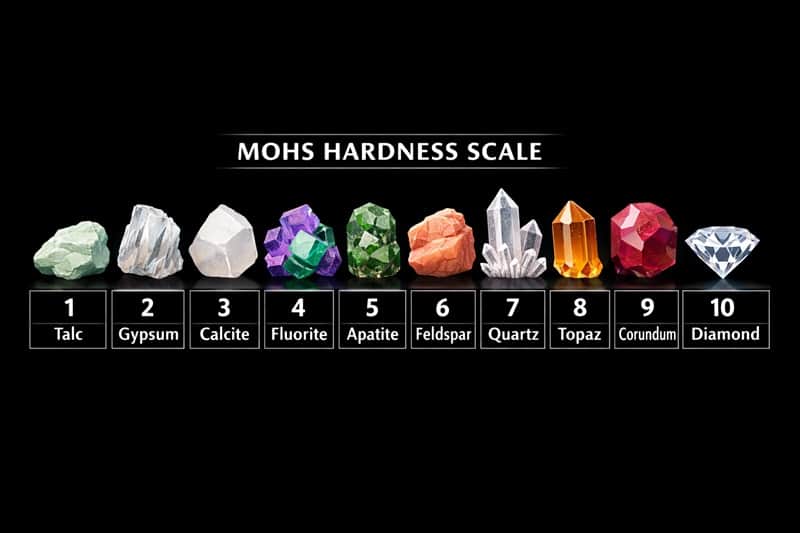
Quartz is 7 — you need something harder to scratch it, like steel. Side note — “quartz coatings” aren’t exactly a selling point anymore, because who would want 7H when you can have 9H or 10H 🙂
9H is around corundum level — much harder materials involved. Then you have the “king” — 10H, diamond. The hardest material on earth. You need another diamond to cut it. Sounds great, right? 😄 The reality is — this has nothing to do with coatings on cars. There is no coating that will stop scratches.
Those 9H / 10H values are based on the pencil hardness scale — and that’s much closer to reality.
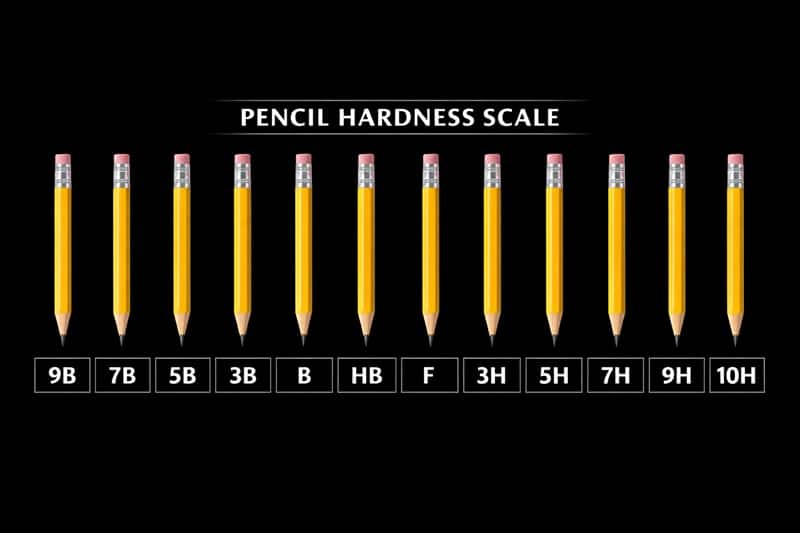
Marketing just makes it sound better. So ask yourself: Can a ~1 micron layer (when human hair is around 50 microns) really make your paint “harder”?
Ceramic Coating durability #
1 year, 3 years, 5 years, 7 years, lifetime… Everyone has seen those numbers. But what does durability actually mean? Is it what’s written on the bottle — or something else? In most cases, durability is based on lab testing. That could be accelerated ageing chambers, wash cycles, or similar controlled tests.
But can any manufacturer tell you how long their coating will last on YOUR car, without knowing:
- what you wash it with
- how you wash it
- how often
- how many miles a year you drive
- what conditions the car is used in (Ireland, Spain, Canada etc.)
Even assuming perfect prep, correct application and proper curing. 👉 No. So what do you think?
What actually determines coating durability? #
The answer is simple — no one can tell you exactly how long a coating will last on your car. The only thing we can say is: If you look after the car properly and use the right methods and products — it will last longer. If you don’t — it won’t. That’s it. So when someone gives you a “guarantee” on a coating, it’s basically marketing.
👉 (how to maintain coating – full guide)
Does a coating protect against scratches, swirls or chips? #
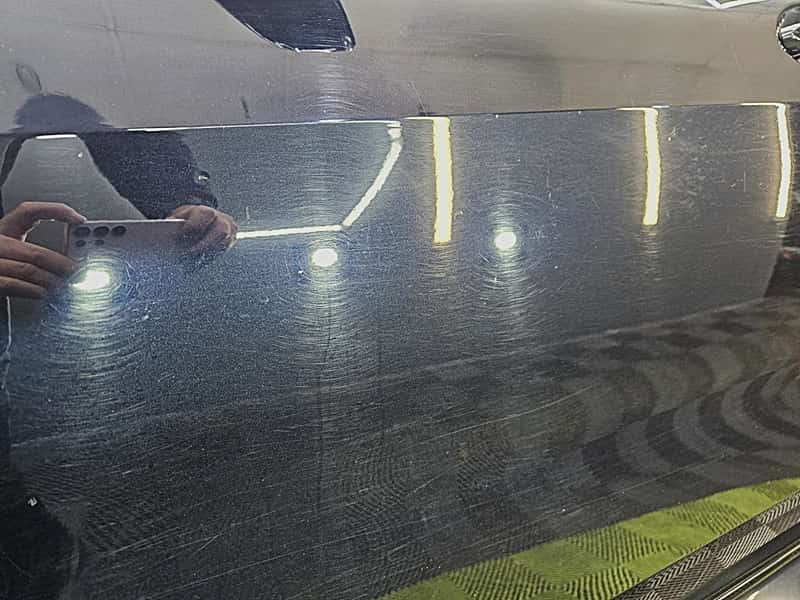
Simple answer — NO. Road dirt is mostly sand. And sand is much harder than paint or any coating. If you wash a car that hasn’t been properly cleaned during prewash — you will scratch it. Stone chips? 👉 No chance.
Chemical resistance of ceramic coating doesn’t mean “chemical proof”. #
Yes, coatings have some resistance. But if you use strong chemicals regularly, you will weaken or remove the coating.
So what does ceramic coating actually do — and is it worth it? #
Yes — it is worth it. But only if your goal is to keep the car looking very good over time, and only if you maintain it properly. Otherwise, it makes no sense. Ceramic coating mainly gives you hydrophobic properties. That means dirt doesn’t stick as easily and is much easier to remove. So you don’t have to put as much effort into maintenance. With proper, regular care, you have a very good chance of keeping the car in great condition.
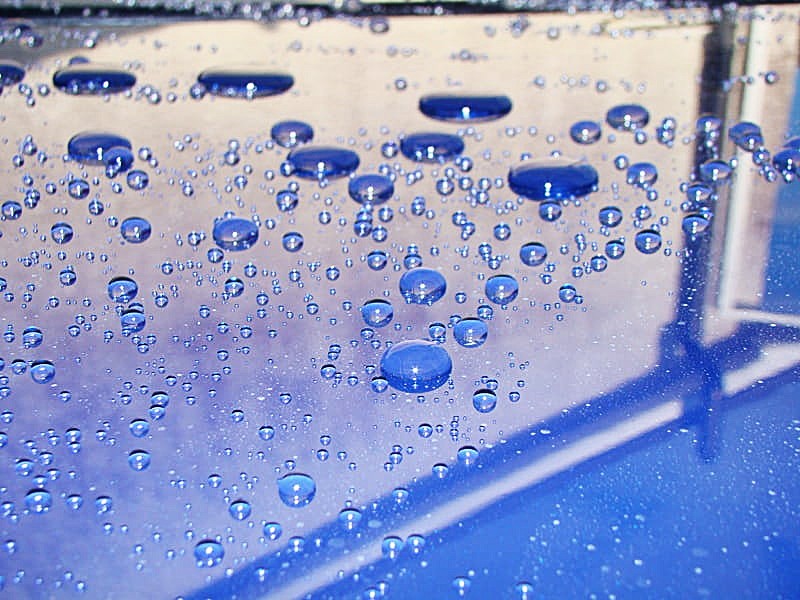
Another big advantage is UV protection — and this is a real benefit. It helps prevent the paint from oxidising and losing gloss like unprotected paint does.
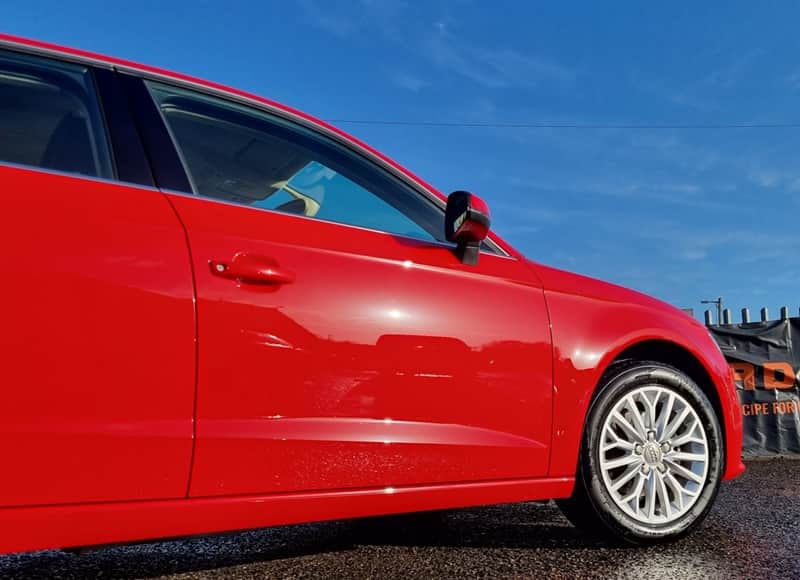
On cars without protection, you can often see light oxidation after a year.On coated cars, even after a few years, the gloss level can still look like new.
So what does coating durability actually mean? #
Now we go back to durability — what does it actually mean that a coating is “still there”? For many people, coating = hydrophobic behaviour. And yes, partly that’s true. A good coating can keep hydrophobic properties for years — if maintained properly. But that doesn’t mean a “5-year coating” performs at the same level for 5 years and then suddenly stops. Coatings age like everything else. Fresh coating works perfectly. Over time, performance gradually drops until eventually it’s gone. And again — it all depends on:
- how you maintain the car
- what you wash it with
- how often
- how much you drive
- in what road and weather conditions
The important part is — hydrophobic properties can be boosted. It’s not complicated.
From my experience, testing and customer feedback: Even when hydrophobic behaviour drops, it doesn’t automatically mean the coating is gone. UV protection lasts much longer — and that’s what really defines the actual durability of a coating.
Summary #
I hope this gives you a clear and honest understanding of ceramic coatings — whether you’re looking for a service, want to apply one yourself, or offer it to your clients. The real benefit of having a coating is understanding how to maintain the car properly and actually doing it. That’s what keeps a car looking great for years and makes maintenance easier.
Not the coating itself.
Have a question or something to add? Drop a comment below — whether it’s a question, your own experience, or something you’d do differently. We read everything.


Leave a Reply
You must be logged in to post a comment.

Leave a Reply #