










Vasco Prewash – contactless tar remover – how to use it properly and what you need to know
4 min read
What is Vasco Prewash? #
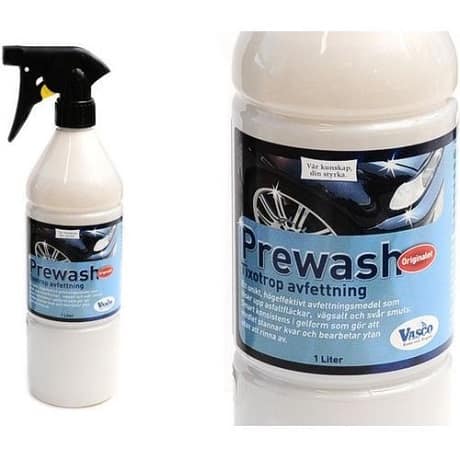
First of all — Vasco is a cold degreaser. It slowly but effectively dissolves tar, softens dirt and removes all types of oil-based contamination. It is a much milder chemical compared to traditional solvent tar removers, which work very fast but are much more aggressive.
How to use Vasco Prewash properly #
- Shake the bottle well before use (very important)
- Spray the lower parts of the car — where tar usually sits
- Apply on a dry dirty car
- Leave it for a minimum of 1 hour (in Irish conditions)
- Rinse slowly — ideally from the bottom up with a pressure washer
Why applying Vasco on a dry car matters #
One of the biggest advantages of Vasco is that it dissolves tar and softens dirt at the same time. That only works properly on a dry surface.
Contactless tar remover dwell time – what really matters #
Vasco works slowly. You need to give it time. Minimum is around 1 hour in Irish conditions.
If you are working indoors, you can leave it overnight — it dries very slowly.Before rinsing, you can check the biggest tar spots with your finger. If the biggest ones are dissolved, the smaller ones should be gone too.
When Vasco “doesn’t work” – most common mistakes #
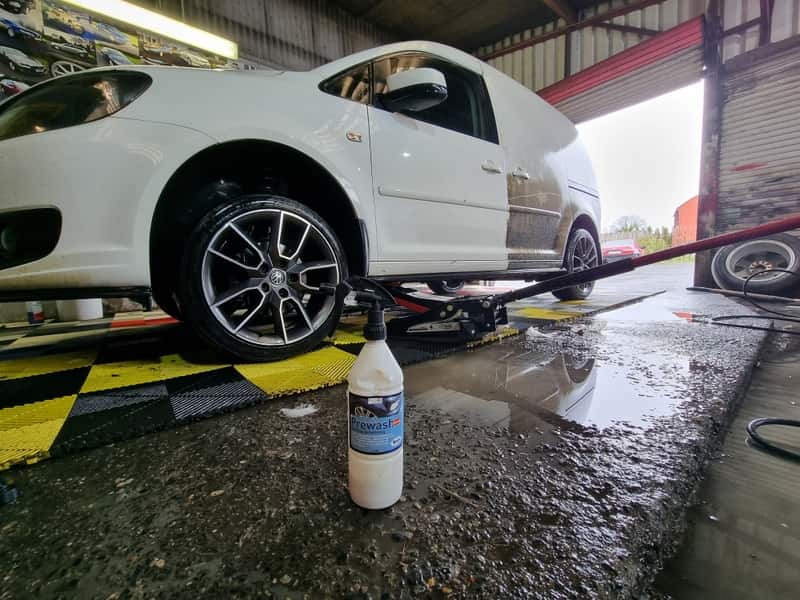
I’ve been using Vasco since around 2013-2014 and for me it’s a total game changer. However, I’ve had messages from people saying it didn’t work properly. In most cases, the issue was not the product — but how it was used.
1. Not shaking the bottle If you don’t shake it: 👉 effectiveness drops by around 10-15%
2. Applying on a wet car If applied on a wet surface (after rain or washing): 👉 Vasco can lose even 50% of its effectiveness. On a dry car it works properly — on a wet car it doesn’t.
3. Rinsing off the product too soon. Vasco reacts with tar within minutes, but that does not mean it’s finished working.The size of tar spots matters. The product needs time to fully dissolve them. If you rinse too early — you will leave tar behind.
4. “It only removed 80-90% of tar” This is not how it works. Vasco does not decide how much tar it removes. If tar is still there, it means:
- it was rinsed too early
- it was not applied evenly
- rinsing was too fast
- product dried on the surface
- very heavy tar contamination (e.g. wheels, arches)
Even when tar is dissolved, it is still thick — rinsing must be slow and controlled.
Heavy contamination (wheels, arches) #
Inner wheels and arches can have very thick tar build-up. In these cases: 👉 even several hours may not be enough What we do:
- apply Vasco
- continue working (e.g. polishing)
- rinse later
This allows full removal without wasting time.
What to remember
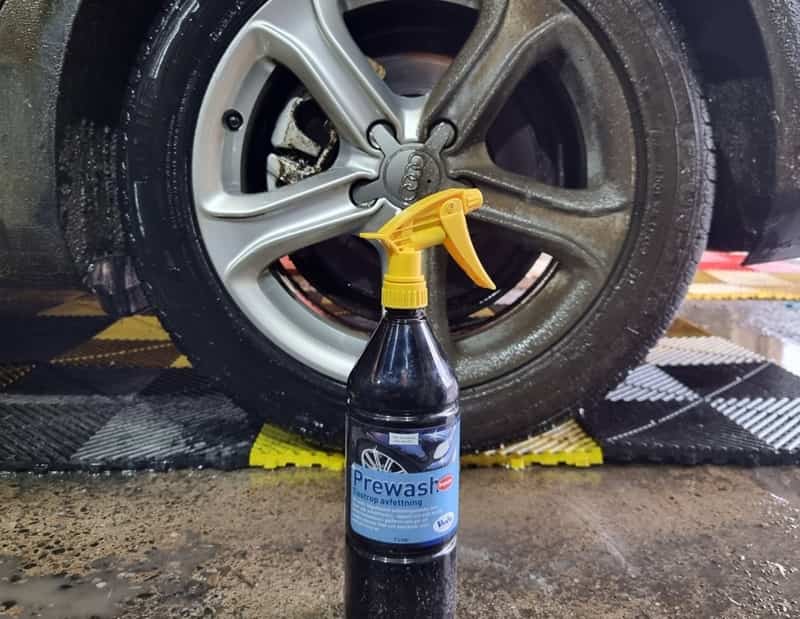
Vasco does not “choose” how much tar to remove. 👉 If it is applied properly, does not dry and gets enough time — it will remove the tar.
Can Vasco stain plastics or rubber? #
Some people reported staining on plastics or rubber. We use Vasco on every car — from daily drivers to high-end and classic cars — and never had issues. But if something goes wrong, there are reasons:
1. Used on hot surface / in direct sun If applied on a hot surface and left to dry: 👉 it can leave residue This applies to any chemical — not just Vasco.
2. Used on wet surface and left to dry If Vasco is applied on a wet surface or gets wet during dwell time:👉 it may leave residue when it dries Vasco does not work well with water during dwell time.
How to fix residue
- on paint → light polish will remove it
- on plastics/rubber → APC + agitation
Is Vasco safe for paint? #
I have never seen Vasco cause damage to factory paint or properly resprayed surfaces. Modern cars have good chemical resistance. If you are unsure: 👉 test in an invisible area 👉 or reduce dwell time Still — Vasco is far safer than solvent tar removers.
Is Vasco safe for coatings and waxes? #
Tested many times.
👉 On good quality coatings — safe (leave for 1-2 hours max)
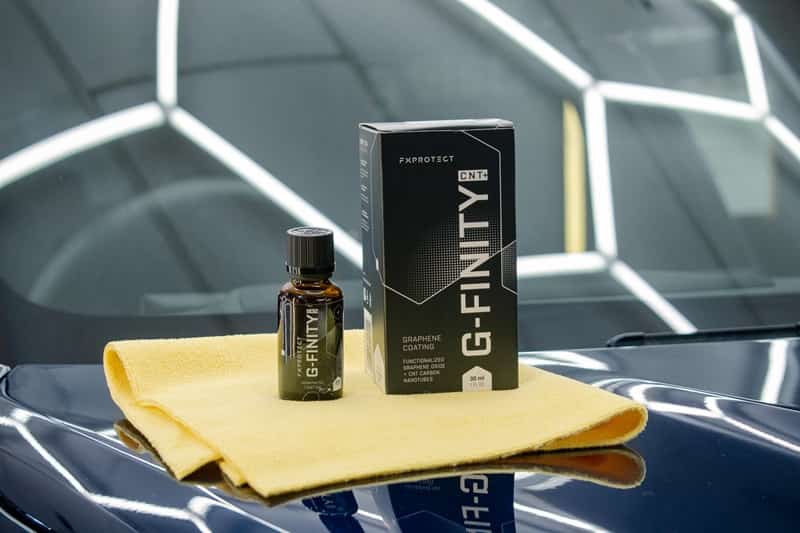
👉 On natural waxes or weak protection — may slightly weaken them
Summary #
Vasco is not a fast product — but that’s exactly why it works safely.
If you use it properly:
- on a dry surface
- with enough time
- without letting it dry
👉 it becomes one of the most effective tools for tar removal and prewash.
Have a question or something to add? Drop a comment below — whether it’s a question, your own experience, or something you’d do differently. We read everything.


Leave a Reply
You must be logged in to post a comment.

Leave a Reply #